
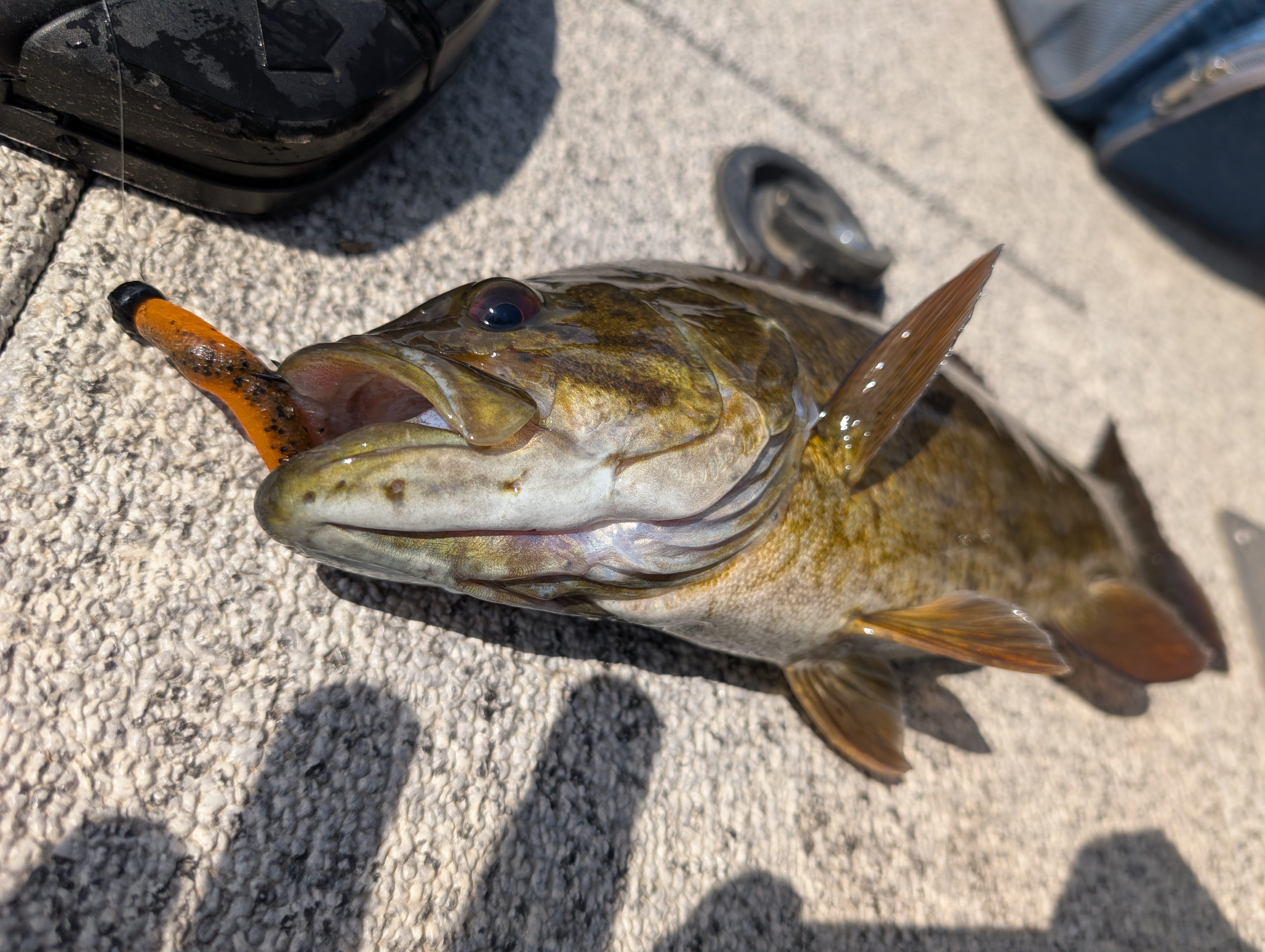
It’s the first week in May here in central Maine, and the ice has recently thawed from all of our favorite local lakes. As usual, we’ve had the boats out since early April and have been fishing as much as possible—usually 3–5 days a week. The shallower lakes go out first, especially those along the coast where warmer ocean air helps thaw them sooner. So that’s where we start.
We’ve had some successes and some not-so-great outings that I want to share. Maybe you’ll walk away with new knowledge about what to do—and a few dos and don’ts to avoid. As a Registered Maine Guide, I’ve spent countless early spring days figuring out what works when bass are just shaking off the cold.
Where to Fish for Early Spring Bass

Look for the warmest waters. This starts with selecting the lake you’re going to fish. Why? Because bass are warmwater fish—they get more active with rising temperatures. Even if it’s still quite cold, I’ll take a lake with a temp of 45°F over one that’s just thawed and sitting at 38°F.
Here’s how to find the right spot:
- Use a depth map to identify shallow lakes with a wide, slow-moving inlet
- Shallow water = more sunlight penetration = faster warming
- Inlets bring warmer water and concentrate baitfish
Word of caution: If there’s been extreme wind or rain recently, avoid mud-bottom lakes. Ask me how I know—I had a fishless outing on Graham Lake in Ellsworth after a 40–50 mph wind event stirred it up like an underwater dust storm. Even the brightest baits disappeared just inches below the surface.
Covering Water: The Run-and-Gun Approach
The best advice I can give is simple: keep moving. Bass are spread out during early spring. Anchoring in one spot rarely pays off—you’ll catch more by covering shoreline or breaks systematically.

Use a trolling motor and:
- Adjust speed so you can cast and retrieve every 10–15 feet along shore
- Target drop-offs, points, and inlets
Key habitat cues:
- Smallmouth: Transitions from rock to silt near spawning zones
- Look for fine gravel and scattered rocks in shallow water flats or along shorelines
- Largemouth: Silty coves near inlets
- Focus on grass lines, sand, mud, old weed lines, and inside corners of points
Bottom line: Don’t stay in one place too long. Keep moving and cover water.
Best Baits for Cold Water Bass
When I’m prospecting for fish, I want baits that allow me to work quickly and efficiently. Here are my favorites:
- Spinnerbaits – Inline or willow-bladed skirt styles
- Top colors: Chartreuse, red, white, crawdad orange, black & blue
- Why they work: Bright colors like chartreuse and white stand out in stained spring water. Dark colors like black and blue create contrast in low-light conditions.
- Chatterbaits – Great for aggressive reaction bites
- Swimbaits – Paddle-tail styles are ideal for slow, steady retrieves near bottom
Once I find a productive stretch—sometimes just two fish in 100 yards—I slow down with finesse presentations:
- Ned rig with a 1/8 oz head and finesse worm
- Favorite colors: Crawdad orange, junebug, pink, watermelon
- How I work it:
- Let it sink, then slowly jig and let it fall repeatedly—bass often hit on the drop
- If they’re more active, use short, twitchy hops along bottom (like a jerkbait)
Conclusion
Early prespawn bass fishing in Maine can be both challenging and rewarding. To make the most of it:
- Choose shallow, warmer lakes with inlets
- Avoid recently churned mud-bottom waters
- Keep moving and cover water
- Use fast-moving baits to locate fish
- Switch to finesse techniques once you find them
The key is to stay flexible and let the conditions guide your tactics. Whether you’re new to early spring bass or looking to sharpen your game, I hope these tips help you catch more fish and enjoy your time on the water.
Want to try these tactics with a local expert? Book a guided trip today!

Leave a Reply