
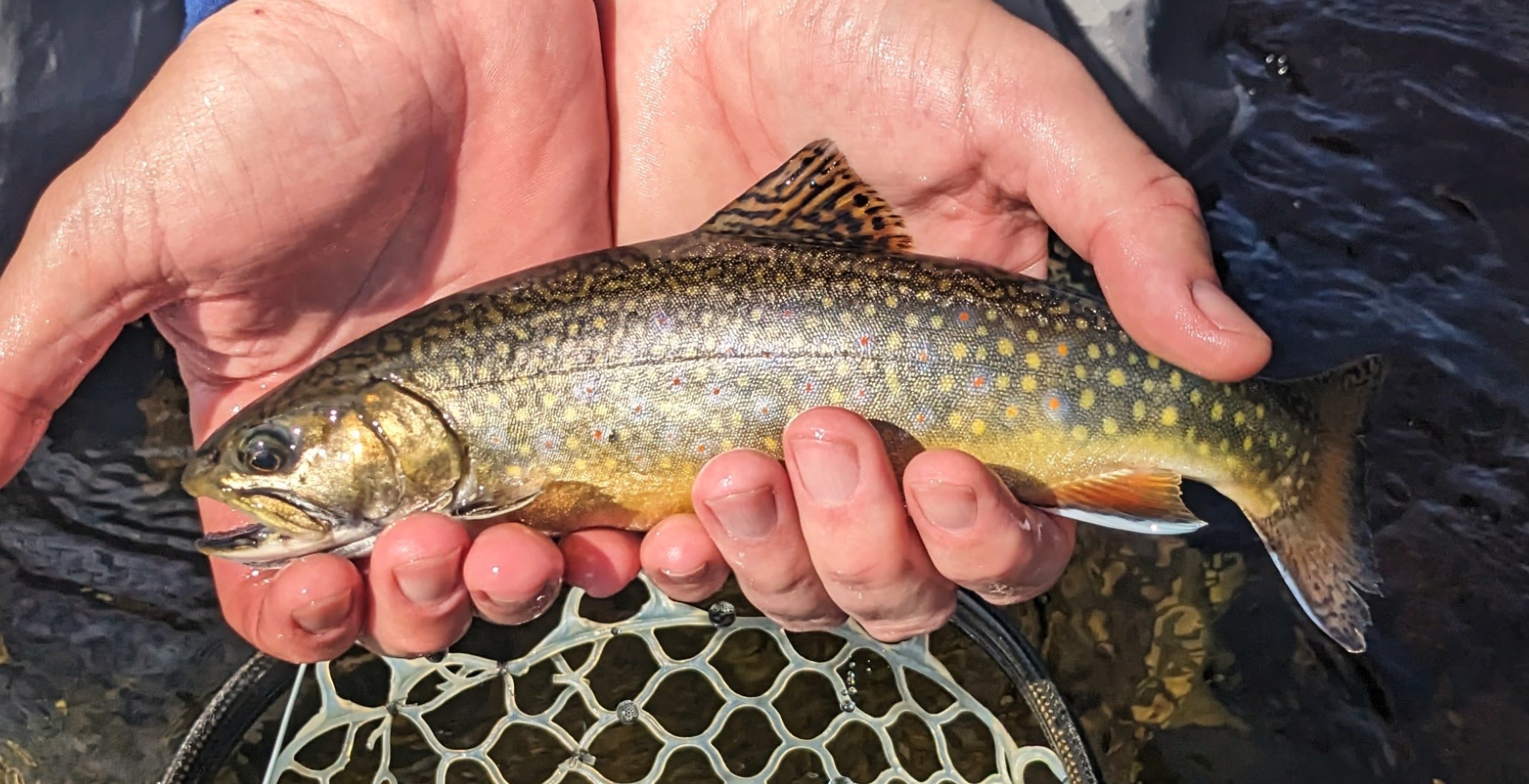
It’s early March in Maine. Temperatures are starting to warm. The snow and ice are softening, and open water isn’t far away. Before long, we’ll start seeing the big trucks with tanks and hoses parked beside local lakes. They will be releasing trout and salmon by the hundreds; sometimes, even thousands. That’s when many anglers start checking the Maine Fish Stocking Report. If you haven’t seen it before, it’s a webpage that lists waters across the state. It provides up-to-date information about what fish are stocked and the dates they’re released.
Where to Find the Maine Fish Stocking Report
The official Maine Fish Stocking Report is published by the Maine Department of Inland Fisheries and Wildlife and lists waters that receive stocked trout, salmon, and other species each year.
Why the Stocking Report Is Useful
The stocking report is a useful tool that many anglers rely on each spring. It helps people find waters where trout or salmon have recently been stocked. This often creates great opportunities for beginners to catch fish close to home, especially from the bank near stocking locations.
Many of these waters are managed as “put-and-take” fisheries. This means the fish provide seasonal fishing opportunities even if they don’t survive long term. In some cases, stocking also supplements existing populations. Anglers may even encounter “holdover” fish that require more skill and patience to catch.

How I Introduce New Anglers to Fishing
While stocked fish can provide great opportunities for kids and beginners, I often take a slightly different approach on my guided trips. My objective is always clear: I sell knowledge and experience, and the fish are a bonus. Learning any fishing skill takes repetition, and the more opportunities we have to catch fish, the faster someone improves. For that reason, I often focus on waters with abundant warmwater species. Fish like bass, perch, crappie, and pickerel are some of my favorites because they provide plenty of action and great opportunities to learn.
Fishing for Wild Fish That Are Already Established
Many of the warmwater species I mentioned, like bass, perch, crappie, and pickerel, are not native to many Maine waters. It’s important to be clear that spreading invasive species is harmful and illegal, and anglers should never move fish between waters. However, in lakes where these species are already established, they reproduce naturally and are unlikely to be removed from the system. In those waters, they can provide abundant fishing opportunities and a great way for new anglers to gain experience while enjoying time on the water.

Building Confidence
As guides, we often see that new anglers need multiple bites before they consistently hook and land fish. Timing, technique, and the right amount of pressure each come with a learning curve. This curve can only be developed through hands-on experience. I can explain how to set the hook. However, it can still feel unfamiliar until you feel that first bite. Practicing the motion is essential. Anchoring over a school of White Perch, for example, can provide plenty of bites and lots of practice hooking fish. Imagine working a popper over a patch of lily pads. This area holds Largemouth Bass. Suddenly, the surface erupts and the line goes tight. That’s a fun way to break in a new angler and build confidence quickly.
Finding What Works for You
The Maine Fish Stocking Report remains a valuable tool and creates great opportunities for many anglers across the state. For my guided trips, I often take a slightly different approach by focusing on wild fish that are already thriving in Maine waters. This allows beginners to get more bites, more practice, and ultimately more confidence. At the end of the day, the goal is simple: help people learn, have fun, and discover just how rewarding fishing in Maine can be.

Leave a Reply